What is Chronic Stress?
Chronic stress occurs when you feel overwhelmed for extended periods. It manifests as difficulty relaxing, nervous energy, irritability, and feeling easily agitated. Left unmanaged, it can impact mental and physical health.
Why Self-Assess?
Self-assessment helps you recognize when stress becomes problematic. Understanding your stress levels allows you to take proactive steps toward better stress management and prevent burnout.
Your Privacy Matters
Your responses are completely confidential and securely stored. Track your stress levels over time and share results with your care provider when you choose to.
About the Depression Anxiety Stress Scales
The DASS-21 stress subscale is a clinically validated screening tool used by mental health providers to assess stress severity over the past week.
What the Test Measures
Difficulty relaxing and winding down
Nervous energy and agitation
Over-reacting to situations
Feeling touchy and irritable
Intolerance of interruptions
Understanding Your Score & Recommended Support
0-14
Normal Stress
Maintain Habits
15-18
Mild Stress
CARA Recommended
19-25
Moderate Stress
CARA + Personalized Care
26-42
Severe Stress
Provider Help
⚡ Common Signs of Chronic Stress
Physical
Tension, headaches, fatigue, sleep problems, muscle aches
Emotional
Irritability, anxiety, feeling overwhelmed, mood swings
Cognitive
Racing thoughts, difficulty concentrating, forgetfulness
Behavioral
Restlessness, changes in appetite, social withdrawal
Introducing CARA - Your AI Wellness Companion
CARA (Culturally Aware Roadmap for All) is perfect for managing stress naturally. CARA creates personalized weekly wellness roadmaps that include mindfulness practices, relaxation techniques, time management strategies, and stress-reducing activities tailored to your lifestyle and cultural background.
For moderate to severe stress, CARA works alongside provider support to reinforce your progress with daily stress management exercises, breathing techniques, and healthy habit building.
🌿 Evidence-Based Stress Management Strategies
Research shows these strategies effectively reduce stress levels:
Mindfulness & Meditation
Daily practice reduces nervous arousal and improves emotional regulation
Physical Exercise
Regular activity releases tension and boosts mood-enhancing chemicals
Sleep Hygiene
Consistent sleep schedule improves stress resilience
Time Management
Prioritizing tasks and setting boundaries prevents overwhelm
Social Connection
Support from friends and family buffers against stress
Provider Support
CBT and other approaches teach lasting coping skills
A Guide to Stress
Understanding Stress: From Acute to Chronic
The difference between healthy and harmful stress, recognizing burnout, and building resilience.
What Is Stress? The Good, The Bad, and The Chronic
Stress is your body's natural response to challenges. In small doses it can help you focus and perform under pressure — this is "eustress," or positive stress.
But when stress becomes chronic, it keeps your body flooded with cortisol and adrenaline, harming your immune and cardiovascular systems. The American Psychological Association reports 77% of people regularly experience physical symptoms from stress and 73% experience psychological symptoms — and chronic stress is linked to the six leading causes of death: heart disease, cancer, lung ailments, accidents, liver cirrhosis, and suicide.
The Stress Response: What Happens in Your Body
Your body reacts to stress in three phases, from instant alarm to lasting physical strain.
⚡ Immediate Response (Seconds)
Your amygdala detects a threat and triggers "fight-or-flight." Adrenaline surges, heart rate rises, and muscles tense — instantly and automatically.
⏱️ Short-Term Response (Minutes to Hours)
The HPA axis releases cortisol for sustained energy. Blood sugar rises and non-essential functions like digestion slow down.
🔥 Chronic Response (Weeks to Years)
Elevated cortisol leads to inflammation, weakened immunity, high blood pressure, weight gain, sleep problems, and increased disease risk.
The Three Stages of Stress: Understanding Burnout
Hans Selye's General Adaptation Syndrome maps how our bodies respond to prolonged stress.
1️⃣
Alarm Stage
Initial shock and mobilization — you feel energized and alert as adrenaline kicks in.
2️⃣
Resistance Stage
Your body adapts while resources deplete. Irritability, fatigue, and focus problems emerge.
3️⃣
Exhaustion Stage
Resources are depleted. This is burnout — emotional exhaustion, cynicism, and reduced effectiveness.
Common Sources of Chronic Stress in Modern Life
Knowing your triggers is the first step to managing them.
Work-Related Stress
Job insecurity, heavy workload, and poor work-life balance. It's the leading source of stress for American adults.
Financial Stress
Debt, insufficient income, and economic uncertainty affect 72% of Americans.
Relationship Stress
Conflicts, family tension, and caregiving responsibilities are among the most draining stressors.
Health Concerns
Chronic illness and health anxiety create a cycle where stress worsens health, which increases stress.
Information Overload
Constant news, social media, and decision fatigue overwhelm brains not built for this volume.
Life Transitions
Moving, job changes, or parenthood — even positive changes require adaptation and can be stressful.
The Science of Stress Resilience: Building Your Capacity
Resilience — your ability to adapt to and recover from stress — can be developed and strengthened.
Mindfulness and Meditation
Regular practice reduces amygdala reactivity and lowers cortisol. Just 10 minutes daily makes a difference.
30% reduction in stress symptoms after 8 weeks
Regular Physical Exercise
Exercise reduces stress hormones and increases endorphins. Aim for 150 minutes of moderate activity weekly.
Equivalent to low-dose antidepressants for mild to moderate stress
Quality Sleep
Stress disrupts sleep and poor sleep increases stress vulnerability. Prioritize 7-9 hours nightly with consistent sleep/wake times.
One night of poor sleep increases stress reactivity by 30%
Social Connection
Meaningful relationships provide emotional support, and even brief positive interactions reduce cortisol.
Social isolation increases stress hormone levels by 50%
When to Seek Provider Help for Stress
Self-care matters, but provider help becomes necessary when stress significantly impacts your life.
You feel overwhelmed most days and can't cope with daily demands
Stress causes physical symptoms like headaches, digestive issues, or chest pain
You're using alcohol, drugs, or other unhealthy coping mechanisms
Stress affects your work performance, relationships, or ability to function
You're experiencing anxiety or depression symptoms alongside stress
Self-care strategies aren't providing relief after several weeks
CBT-informed coaching, stress management counseling, and mindfulness-based stress reduction (MBSR) are highly effective, evidence-based approaches.
Related Mental Health Resources
Stress often co-occurs with other concerns — explore more of our free assessments.
Why Create a Free Account?
Get the support you need to understand and manage your stress levels effectively
Personalized Recommendations
Based on your results, receive tailored recommendations and resources to help you manage stress and prevent burnout.
Access to Providers
Connect with licensed providers who specialize in stress management and can teach you evidence-based coping strategies.
Multiple Assessments
Access a variety of mental health assessments including anxiety, depression, and PTSD to get a complete picture of your wellbeing.
0+
Languages spoken by our providers
0%
Of clients feel culturally understood
$0
Per session — cancel anytime
0h
Average time to first session
How It Works?Start managing your stress in three simple steps.
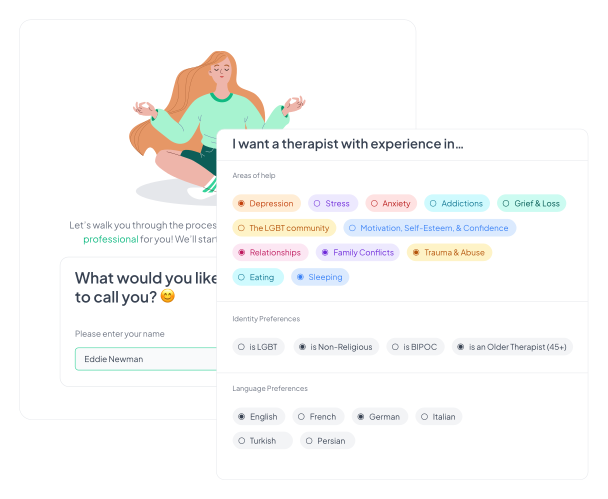
Create Your Free Account
Sign up in less than a minute. Your information is secure and confidential. Once registered, you can access all our mental health assessments from your personal dashboard.

Take the Stress Assessment
Complete the DASS-21 stress assessment in just 3-5 minutes. Answer honestly about your experiences over the past week to get accurate results and personalized recommendations.
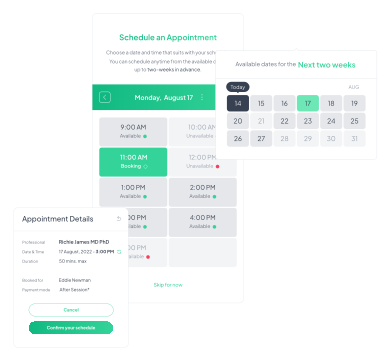
Get Support If Needed
Based on your results, connect with licensed providers who specialize in stress management. Schedule appointments easily through your dashboard and start feeling better.
Ready to take control of your stress?
Understanding your stress levels is the first step to better wellbeing. Create your free account today and complete the stress assessment in just 3-5 minutes.
Sign Up FreeReady to take control of your stress?
Understanding your stress levels is the first step to better wellbeing. Create your free account today and complete the stress assessment in just 3-5 minutes.
Sign Up FreeFrequently asked questions
These answers offer a starting point for understanding stress assessments. For more detailed advice tailored to your individual circumstances, please consult with a wellness provider by making an appointment with one of our providers.


© 2026 MeTime Healing. All rights reserved.